How to Remove Mold from Bathroom Walls? This is an issue many homeowners face but often delay tackling. Mold can spread like a shadow in a horror movie—it hides in corners, creeps along grout lines, and thrives in humidity-rich zones like bathrooms. The good news? You can make your bathroom walls mold-free using the right products and techniques, while also making your space healthier and more comfortable to live in.
How to Remove Mold from Bathroom Walls?
Mold removal is not just about scrubbing away dark patches. It’s about understanding why mold appears in the first place and treating the root cause. Bathrooms provide a perfect breeding ground: moisture, warmth, and a lack of ventilation.
Before you reach for any product, first identify the type of surface you’re dealing with—ceramic tile, painted drywall, or even wallpaper. This helps determine which cleaning agents and tools work best.
Start by opening windows to bring in fresh air, wear gloves and a mask for safety, and gather these basic tools:
- A spray bottle
- White vinegar or hydrogen peroxide
- A scrub brush or sponge
- Microfiber cloths
One useful solution for dealing with mold is using undiluted white vinegar. Spray it directly on the moldy area and let it sit for at least an hour before scrubbing. Unlike bleach, vinegar can get into porous surfaces and kills the mold at the root.
Why Vinegar and Not Bleach for Bathroom Mold?
While bleach is commonly used as a mold remover, it often acts more like a band-aid than a cure. Bleach only removes the visible layer on the surface and doesn’t penetrate porous materials like grout or drywall. That’s where vinegar shines—it not only kills most mold spores but also helps prevent them from coming back.
For stronger effects, hydrogen peroxide (3% solution) used in a spray bottle works wonders. Spray it on the surface and let it bubble for about 10 minutes. Then scrub the area thoroughly and wipe it clean. You can read more about better technologies that support mold prevention and sanitation.
How to Remove Mold from Bathroom Walls? With Natural Alternatives
If you’re looking for eco-friendly ways to treat your bathroom mold, there are natural alternatives that won’t harm your family or the environment. Tea tree oil diluted with water acts as a great anti-fungal cleaning agent. Combine one teaspoon of tea tree oil with one cup of water and spray it using a bottle. Let it sit without rinsing—the smell might be strong but is harmless compared to chemical odor.
Another easy and budget-friendly method is baking soda. Mix one tablespoon of baking soda with water to create a paste. Apply it to moldy areas, scrub gently, and rinse. Baking soda has mild abrasive properties, making it safe on most bathroom surfaces.
Adding Airflow to Prevent Future Mold
Fixing the moisture issue is key. Mold loves damp environments, so improve your bathroom’s airflow. Turn on ventilation fans, open windows after hot showers, and avoid leaving wet towels or rugs on the floor. Installing a dehumidifier can also make a huge difference in dramatically reducing mold formation.
If you’re remodeling or repainting walls, consider anti-mold paint or additives—these work by preventing spores from taking root in the first place, offering a long-term preventive solution.
How to Remove Mold from Bathroom Walls? with Proper Tools
The tools you use can make your cleaning process easier—or harder. Always choose brushes that are stiff enough to scrub grout lines but soft enough not to damage the surface. For hard-to-reach corners, an old toothbrush does wonders.
Microfiber cloths are excellent for wiping dry surfaces after cleaning because they are super absorbent and trap mold spores instead of spreading them. Consistently wiping down your bathroom walls and surfaces after each shower goes a long way in prevention.
Why Consistency is the Best Mold Prevention Strategy
Just like dental hygiene, cleaning habits need to be regular to be effective. Even the most powerful mold removal product won’t help if you only clean once a year. Make it part of your routine—clean vents, tiles, and ceilings monthly, and check corners and behind fixtures for early signs of mold. This way, you stay ahead of the issue instead of playing catch-up.
Having the right cleaning mindset is just as crucial as using the right materials. Smart cleaning is about knowing not just how, but why mold grows, and adjusting your home habits accordingly.
How to Remove Mold from Bathroom Walls? in a Few Easy Steps
Let’s recap the most effective mold removal method:
- Ventilate the room before you begin
- Apply white vinegar or hydrogen peroxide directly onto mold
- Let sit for 30–60 minutes depending on the severity
- Scrub with a brush, wipe with a microfiber cloth
- Dry the surface completely
You might be surprised how fast results show—especially when using safe and reliable processes. Consider adding optional essential oils like eucalyptus or lavender for a fresh aroma and added anti-bacterial benefits.
All-in-WOW! Product That Help Keep Mold Away
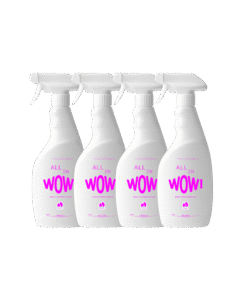
For households needing an all-in-one cleaner that works on multiple surfaces beyond just the bathroom, consider using an all-surface cleaning product like the ALL IN WOW liquid. This versatile cleaner handles everything from car dashboards and wood to concrete, tiles, and fabrics. It’s especially great for removing grease stains, moss, and deep-seated gunk, making it your go-to cleaning companion across several spaces in your home and garage.
Keeping mold out of your bathroom doesn’t require professional help—it just needs consistency, the right cleaning products, and a little bit of elbow grease. With these easy techniques, you’ll reclaim your bathroom from mold and enjoy a fresher, healthier space every day.