
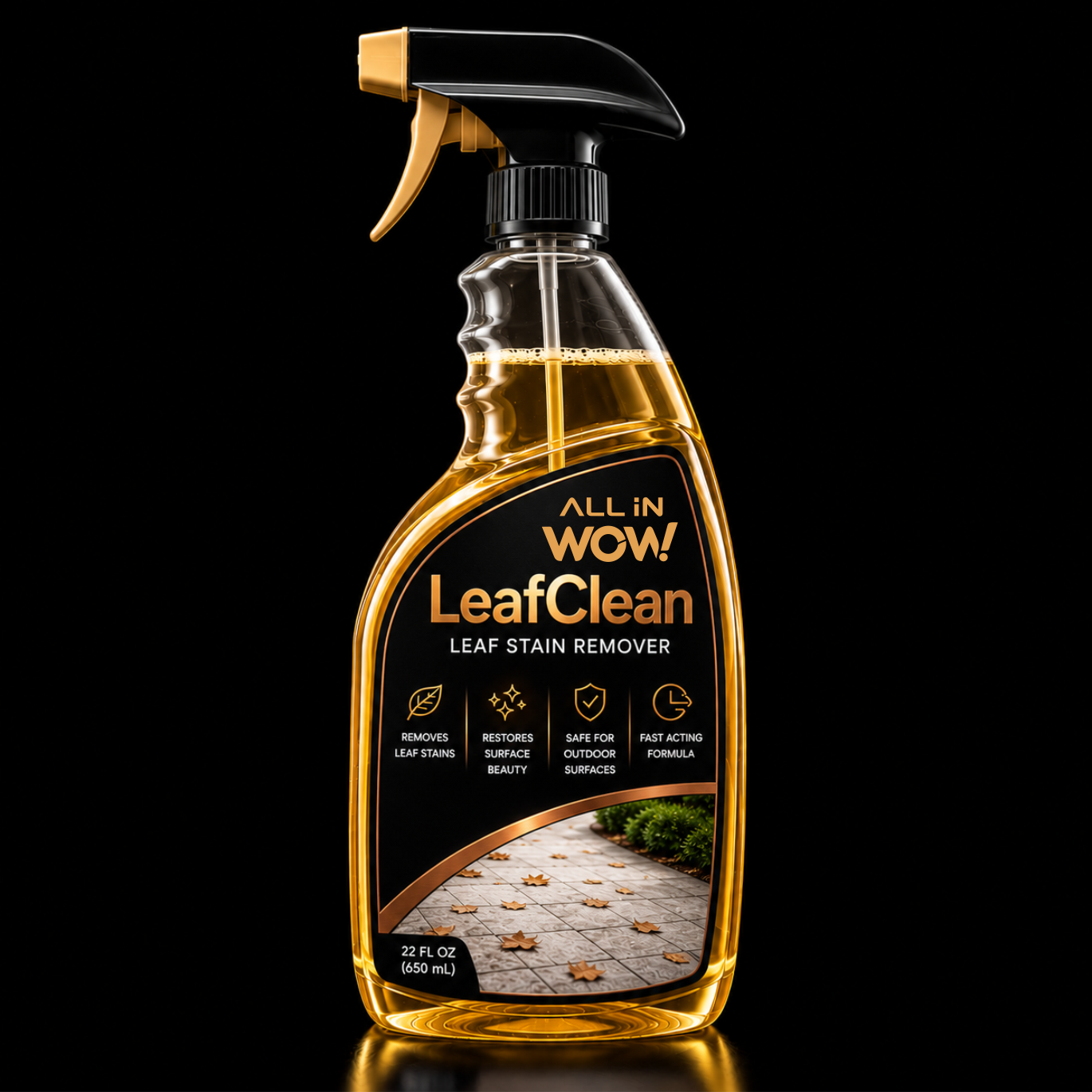
Leaf Stain Remover
Leaf Stain Remover is a dedicated leaf stain remover engineered for outdoor materials. It addresses biofilm, soot, minerals, and weathering so surfaces look renewed and stay protected. Built for changeable weather and mixed materials across the property. For quick setup notes, see this resource and a practical how‑to guide.
Leaf Stain Remover. Technology & Formula
Removes brown leaf tannin stains from stone, pavers, and outdoor tiles. Additional background is available in this compact reference and condensed application note, with FAQs on this support page.
Leaf Stain Remover. Rust-Colored Leaf Stains on Your Car: How to Remove Them Without Damaging the Paint
Fall can be beautiful—golden leaves, crisp mornings, that fresh rainy smell.
But every driver knows it also means something less pleasant: those rusty, brownish stains that wet leaves can leave behind on your car’s paint.
They may look harmless at first, but leaf residue can discolor the paint and, over time, even accelerate early signs of corrosion.
The good news? With the right approach, you can remove these stains safely and easily.
Leaf Stain Remover. Why Do Leaves Leave Rust-Like Marks?
When wet leaves sit on your car’s surface for too long, a chemical reaction occurs. Plant acids, tannins, and oxygen interact with the clear coat, leaving behind yellowish or rusty stains.
Leaves from oak, walnut, chestnut, and maple trees are especially problematic—especially if they’ve been stuck to the paint after rain or prolonged moisture. If you don’t act quickly, the stains can seep into the clear coat and become much harder to remove.
Leaf Stain Remover. How to Remove Rust-Colored Leaf Stains Safely
The most effective and paint-safe method is simply giving the car a proper wash. Here’s the step-by-step process:
Step 1 – Rinse With High-Pressure Water
Remove loose dirt, dust, and leaf residue.
Avoid scrubbing with your hand—this can easily scratch the paint.
Step 2 – Use a Foam or Pre-Soak Program
Active foam helps break down organic material, including plant sap and acidic leaf deposits.
Let it dwell for about 1–2 minutes, but do not let it dry on the surface.
Step 3 – Rinse Thoroughly
Start from the top and work downward so the foam and contaminants flow off the car naturally.
What NOT to Do
❌ Don’t try to wipe off the stains dry—this can scratch the paint.
❌ Don’t use bleach, harsh detergents, or vinegar—they can dull or damage the clear coat.
❌ Don’t leave leaves on your car after rain—they begin reacting with the paint almost immediately.
How to Prevent Leaf Stains in the First Place
-
Wash your car regularly during the fall season—once a week is usually enough to prevent buildup.
-
Apply wax or a protective coating to create a barrier between the paint and organic debris.
-
Avoid parking under trees, especially after rainfall.
-
Remove leaves as soon as you notice them—before they dry and “bake” onto the surface.
Leaf Stain Remover. Why Professional Car Wash Chemicals Help
High-quality automotive cleaning products are formulated to break down tough organic residue like leaf sap, tannins, insects, and pollen—without harming the paint, plastic trim, seals, or wheels.
Softened water and specialized shine-boosting agents leave the car looking freshly detailed, with minimal effort and no risk of scratching the finish.
All you need is a few minutes and the right wash cycle.
Conclusion
Rusty stains from wet leaves may be a small seasonal annoyance, but they’re easy to handle if you act quickly.
A single thorough wash is often enough to restore your paint’s shine and keep your car looking great all autumn long.

Reviews
There are no reviews yet.